
Desperately Seeking Validation
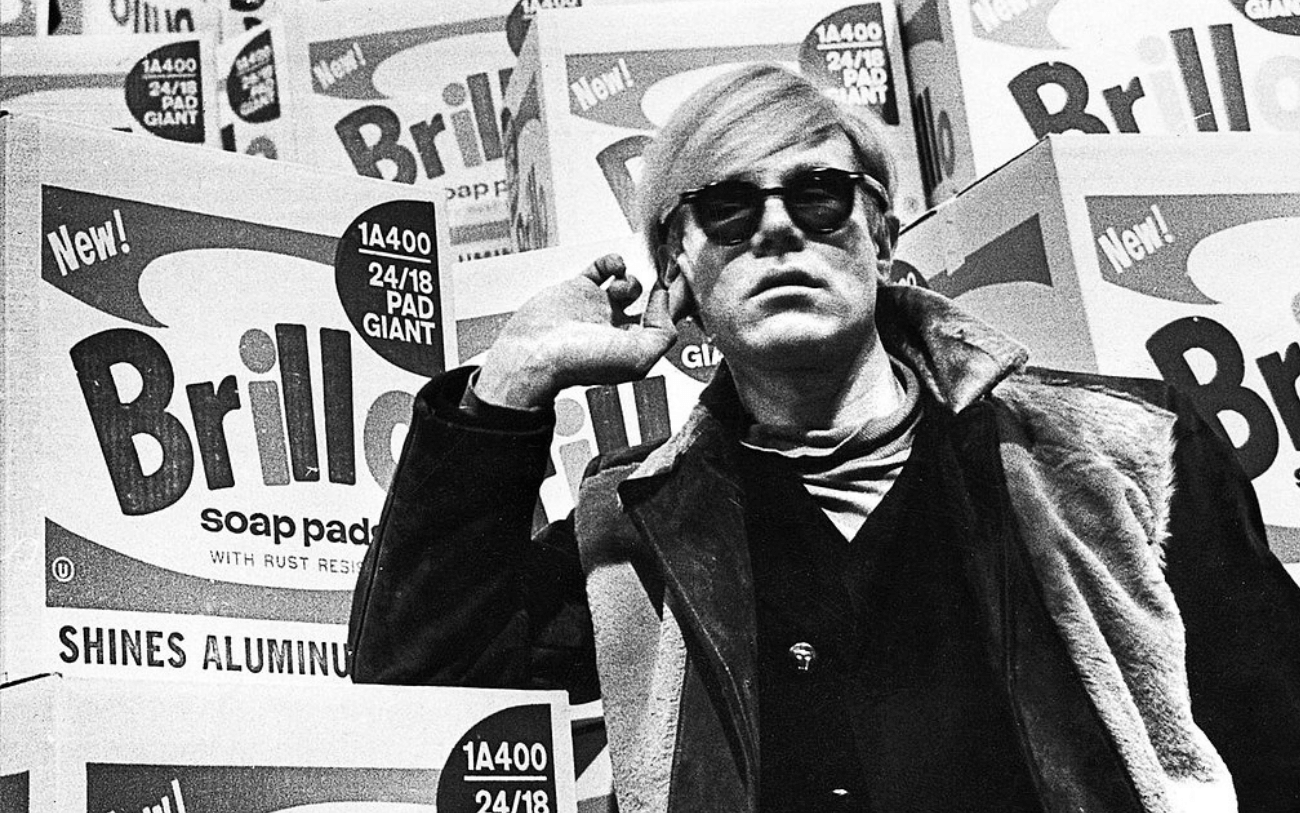
Andy Warhol once said that in the future everyone would be famous for fifteen minutes.
People often quote it as cultural observation. A comment on media, celebrity, the shortening of attention spans etc.
I read something else too.
I hear someone who understood, internally, what it felt like to need visibility and how quickly it could be taken away.
Warhol built his entire world around attention. The Factory was never just a studio. It was a room designed to keep people close, to keep the cameras rolling, and to keep the faces coming. He made superstars out of ordinary people. He turned soup cans and celebrity photographs into art that the whole world looked at.
But his diaries tell a different story to the public one. He recorded who called and who didn’t. Who came to the opening of his shows and who didn’t. And he noted who ignored him. The scanning never stopped, even at the height of his fame.
This is The Validation Seeker Archetype.
It operates from a belief that worth depends on how other people see you. That approval means safety and that disapproval means something is wrong with you. So the intelligence scans constantly. It checks faces in the room and reads tone in messages. It replays conversations looking for signs. It asks,
am I doing well? Are we alright? Am I enough?
This is Not Enough showing up as relational scanning for belonging and safety. The intelligence here is the capacity to read a room, to sense what people need, to attune to subtle shifts in dynamic, that is genuine brilliance. When it’s operating unconsciously the same intelligence scans to validate its inherent worth, to be approved of and to feel safe.
Warhol knew this territory intimately. The Factory was full of people, yet his diaries describe someone who could be sharply aware of being left out or left behind. It is easy to imagine how empty rooms might have confirmed what he feared most: that without the audience, and without the attention, he was ‘not enough’.
When The Validation Seeker Archetype becomes overactive, it moves into its shadow. The Attention Seeker.
The Attention Seeker doesn’t just want connection. It needs confirmation and performs for approval. It amplifies, overshares, or seeks recognition in ways that feel important. It gets deflated by even the most constructive criticism and postpones decisions until someone else validates them. It gauges its own value based on the reaction it gets and reads silence as rejection.
The Attention Seeker is survival intelligence on overdrive. From early on, visibility may have meant safety, being seen meant being valued and being overlooked meant being at risk. The intelligence learned to secure attention because attention felt like proof of belonging.
But The Validation Seeker Archetype also carries a gift. The Connector.
The Connector is the same relational intelligence, now anchored in its own intrinsic worth. It still reads rooms. It still senses what people need. It still builds belonging with ease. But it does so from a place of genuine connection rather than fear of disapproval.
The Connector brings people into clarity. It creates spaces where others feel genuinely seen. It builds bridges between different perspectives and different people. It turns sensitivity into relational intelligence that serves everyone.
Warhol had this gift too. The Factory was also a place where people who had never belonged anywhere else found a home. He gave visibility to faces culture ignored. He made the overlooked feel extraordinary. The same sensitivity that may have made him scan for approval also made him extraordinarily attuned to what other people needed to feel seen.
The shadow and the gift were always running from the same source.
When The Validation Seeker Archetype begins scanning for approval that is a signal the intelligence is asking to be redirected from external confirmation toward internal anchoring.
Lasse Olsson / Pressens bild, Public domain, via Wikimedia Commons.